The Middle Is Where Creators Actually Break.
There’s a version of the creator economy story that gets told a lot: the top is professionalizing into media companies, the entry point is wider open than ever, and somewhere in between there’s a “messy middle” nobody talks about. That middle is where most working creators actually live, and it’s also where the single biggest risk in this business hides: depending on one platform for most of your income.
The single-platform trap
If you’re a professional creator, being on multiple platforms isn’t optional anymore. Advertising revenue is volatile and entirely out of your control: algorithms change, ad rates fluctuate, policies get rewritten overnight. A creator who built an audience of a million people on one platform can wake up to find that audience worth half as much, or unreachable entirely, because of a decision made in a boardroom they’ve never seen.
The fix isn’t complicated in theory. Ad revenue should be less than half of total income, propped up by things you actually control: subscriptions (Patreon and similar), brand deals, retail, affiliate links. Each of those has a different risk profile than platform ads, and together they buy you something ads can’t: a direct relationship with your audience that doesn’t evaporate when a platform changes its rules.
That’s the real distinction. Reach is something a platform lends you. A relationship, be it an email list, a paying membership, or a community that would follow you if you left tomorrow, is something you own. Creators who are only optimizing for views on a platform they don’t control are, functionally, building someone else’s business.
Why this hits hardest in the middle
Here’s where the “messy middle” comes in. At the top, this problem mostly solves itself. Creators crossing into eight and nine figures have teams, agencies, and infrastructure: production, editing, sales, partnerships, operations. Beast Industries isn’t a YouTube channel with assistants; it’s a media company. Diversification is built into the org chart.
At the bottom, the problem barely exists yet. Someone just starting out doesn’t have enough on one platform to be dependent on it, so single-platform risk is a future problem, not a present one.
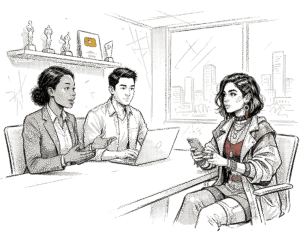
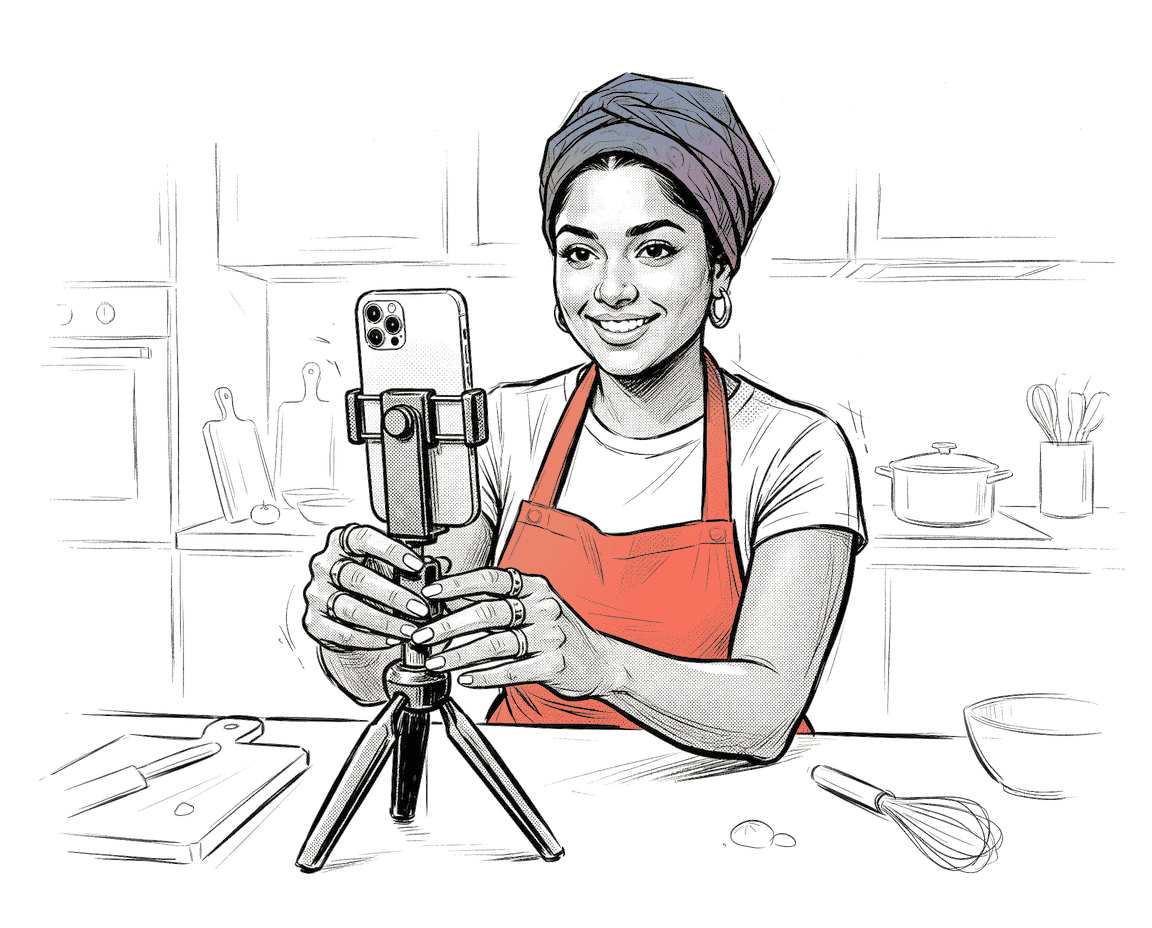
The middle is different. This is the creator who’s outgrown “hobby;” the creator who generates real income, real audience, maybe even quit their day job, but doesn’t have a team, an agency, or the infrastructure that makes diversification easy. Building a second revenue stream when you’re a one-person operation means finding the hours to launch a membership, negotiate a brand deal, or build an email funnel, on top of the content you’re already making full-time. It’s exactly the group with the most to lose from platform dependency and the fewest resources to fix it.
That’s the real squeeze: audience without an owned system. A creator in the middle can have real reach and still be one algorithm change away from losing most of their income, precisely because they haven’t had the bandwidth to build anything outside the platform that made them.
How to survive the middle
Treat one owned channel as non-negotiable. It doesn’t need to be sophisticated. An email list or a paid membership, even a small one, is worth more than it looks like on paper, because it’s the one asset that survives a platform decision you didn’t make.
Sequence diversification instead of doing it all at once. You don’t need five revenue streams by next quarter. Pick the one that’s the smallest lift relative to what you already make (affiliate links inside existing content, say) before tackling the ones that require new infrastructure, like a subscription product.
Borrow infrastructure before you build it. The middle doesn’t need to look like Beast Industries to stop being fragile. Tools and platforms built for solo creators (Patreon, Substack, Shopify, etc.) exist specifically to rent you the infrastructure a bigger operation would build in-house. Using them well is a substitute for a team, not a lesser version of one.
Set a real ad-revenue ceiling and treat it like a budget. If ads are creeping past half of income, that’s a signal to slow down on platform-dependent growth and put the next chunk of effort into something owned, even if it grows slower.
None of this makes the middle comfortable. But the creators who get squeezed hardest aren’t the ones with less talent or worse content, they’re the ones who never got around to building anything the platform couldn’t take away.